
Delving into Cultural City Tours, this introduction immerses readers in a unique and compelling narrative, with engaging information on what makes these tours popular and the benefits they offer travelers.
From exploring famous cultural cities to experiencing the richness of a city’s heritage through guided tours, Cultural City Tours provide a deeper connection to urban cultures.
Cultural City Tours
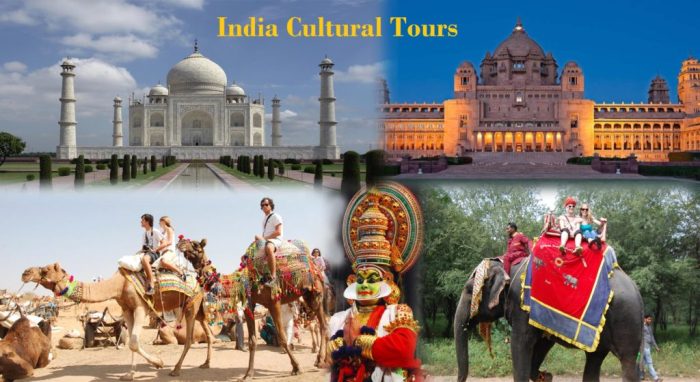
Cultural city tours offer travelers a unique opportunity to immerse themselves in the rich history, traditions, and heritage of a city. These tours provide insights into the local culture, architecture, art, cuisine, and lifestyle, allowing visitors to gain a deeper understanding of the destination.
Examples of Famous Cultural Cities
- Paris, France: Known for its iconic landmarks such as the Eiffel Tower, Louvre Museum, and Notre-Dame Cathedral, Paris offers a blend of art, history, and gastronomy.
- Rome, Italy: With ancient ruins like the Colosseum and Roman Forum, as well as Renaissance masterpieces, Rome is a cultural hub that attracts history buffs and art enthusiasts.
- Kyoto, Japan: Renowned for its traditional temples, tea houses, and gardens, Kyoto preserves Japan’s ancient traditions and customs.
Benefits of Experiencing a City’s Culture Through Guided Tours
- Insider Knowledge: Professional guides provide in-depth information and anecdotes that enhance the cultural experience.
- Efficiency: Guided tours save time by planning the itinerary and navigating through the city’s attractions efficiently.
- Interaction: Travelers have the opportunity to interact with locals, participate in cultural activities, and gain a deeper connection to the destination.
City Breaks vs. City Tours
City breaks and city tours offer different experiences for travelers looking to explore a new destination. Let’s delve into the distinctions between the two and how they cater to varying preferences.
Duration and Activities
City breaks typically last for a few days, allowing visitors to immerse themselves in the culture, cuisine, and attractions of a city at their own pace. On the other hand, city tours are usually shorter, ranging from a few hours to a full day, with a structured itinerary planned by a guide.
Exploring Independently vs. Guided Tour
- City Breaks: Travelers on a city break have the freedom to explore independently, choosing their own sightseeing spots, dining experiences, and activities. This flexibility allows for a more personalized and leisurely exploration of the city.
- City Tours: Guided city tours provide a curated experience led by a knowledgeable guide who offers insights, historical context, and local stories about the city’s landmarks. Visitors can learn more about the destination in a shorter time frame with the guidance of an expert.
Catering to Different Preferences
City breaks cater to travelers who prefer a more relaxed and customizable itinerary, where they can choose to focus on specific interests or simply wander aimlessly through the city streets. On the other hand, city tours are ideal for those who want a condensed yet informative overview of the city’s highlights without the hassle of planning and navigating on their own.
As we conclude our exploration of Cultural City Tours, it’s evident that these experiences offer a captivating way to immerse oneself in the heart of a city’s culture, creating lasting memories and meaningful connections.
General Inquiries
What makes Cultural City Tours unique?
Cultural City Tours provide curated experiences that delve deep into the cultural fabric of a city, offering insights and perspectives that traditional tours may not cover.
How long do Cultural City Tours typically last?
The duration of Cultural City Tours can vary, but they usually range from a few hours to a full day, depending on the depth of exploration and activities involved.
Are guided city tours better than exploring a city independently?
Guided city tours offer a structured and informative way to explore a city’s culture, history, and landmarks, providing valuable insights that may not be easily accessible when exploring independently.


